AVIAN CHLAMYDIOSIS AND PSITTACOSIS
Psittacosis, also known as parrot fever, is a contagious disease of birds caused by the bacterium Chlamydia psittaci. It most commonly affects psittacine birds such as parrots, budgerigars, cockatiels, and macaws, but can also be seen in other avian species. This organism is of particular concern because it is zoonotic, meaning it can be transmitted from birds to humans, where it may cause flu-like illness or more serious respiratory disease. In birds, the infection may be acute, chronic, or subclinical, and some individuals can act as carriers, intermittently shedding the bacteria without obvious signs of illness.
TRANSMISSION
Transmission of psittacosis occurs primarily through inhalation of aerosolized bacteria from dried feces, respiratory secretions, or feather dust of infected birds. Direct contact with infected secretions can also spread the disease. Stressors such as transport, overcrowding, poor nutrition, or concurrent illness can increase bacterial shedding and susceptibility to infection. Because the organism can persist in the environment for extended periods under favorable conditions, contaminated cages, equipment, and surfaces may also serve as sources of infection.
CLINICAL SIGNS IN BIRDS
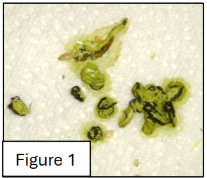
The clinical signs of chlamydiosis in birds are most often respiratory or gastrointestinal, with lime-green diarrhea or urates being a commonly observed feature (see Figure 1). Although the infection is systemic, signs typically involve the eyes, respiratory tract, and liver. Affected birds may show nonspecific signs such as decreased appetite, weight loss, lethargy, diarrhea, and discharge from the eyes or nostrils, and in severe cases, death may occur. However, some birds may exhibit minimal or no visible signs despite being infected, and the symptoms that do appear can overlap with many other diseases, making diagnosis challenging. Infected birds may remain carriers and only develop clinical illness during periods of stress, if at all. Additionally, breeding birds can transmit the organism to their offspring, with young birds being particularly vulnerable to severe infection, sometimes resulting in death in the nest or shortly after weaning.
DIAGNOSIS
A confirmed diagnosis of chlamydiosis in a live bird is sometimes difficult and depends on the species, length of time since exposure, and general condition of the bird. Diagnosis of psittacosis is typically based on a combination of clinical suspicion, history, and laboratory testing. Polymerase chain reaction (PCR) testing on choanal, cloacal, or fecal samples is commonly used to detect Chlamydia psittaci DNA. Serologic testing may help identify exposure but can be difficult to interpret due to prior infection or vaccination status in some regions. Additional diagnostics such as complete blood count, biochemistry, and radiographs may support the diagnosis by revealing signs of systemic infection or organ involvement, particularly of the liver and respiratory system.
TREATMENT OPTIONS
Treatment of psittacosis generally involves prolonged antibiotic therapy, most commonly with doxycycline, administered orally or via medicated feed or water for a minimum of 30–45 days. Supportive care is often necessary and may include fluid therapy, nutritional support, and environmental management to reduce stress. Infected birds should be isolated during treatment to prevent transmission, and strict hygiene and disinfection protocols should be followed to minimize environmental contamination and protect human handlers.
WHAT TO DO AT HOME
To control infection and reduce the risk of spread, all organic debris should first be removed from the environment, followed by thorough disinfection using an appropriate solution such as diluted bleach (1:32), 1% Lysol®, or quaternary ammonium compounds, ensuring a contact time of 5–10 minutes; birds must not be exposed to disinfectant fumes, and cleaning should be performed daily without using vacuums or pressure washers to avoid aerosolizing infectious particles. Care should be taken when handling droppings and cage debris to minimize dust, and appropriate personal protective equipment—including gloves, gowns or coveralls, a disposable cap, eye protection, and a properly fitted N95 mask—should be worn. Any birds showing signs of illness should be isolated and evaluated by a veterinarian, and all prescribed treatments must be followed carefully. Contact with infected or potentially infected birds should be avoided by high-risk individuals such as the elderly, pregnant, immunocompromised, or very young. Mineral supplements containing calcium like cuttlebones should be removed during treatment, as calcium can interfere with certain medications (i.e., doxycycline), and efforts should be made to minimize stress in the bird’s environment to support recovery.
ZOONOTIC CONCERNS
The bacterium Chlamydia psittaci can be transmitted from birds to humans. Individuals who have been exposed to an infected bird and develop flu-like symptoms should seek medical attention promptly and inform their healthcare provider about their bird contact. In humans, treatment is generally straightforward and effective; however, delayed diagnosis or failure to address symptoms can lead to serious illness or even death, particularly in individuals with weakened immune systems. It is important to note that Chlamydia psittaci is different from the organism responsible for genital chlamydia in humans, which is caused by a related bacterium, Chlamydia trachomatis.
IN SUMMARY
To reduce the incidence of chlamydiosis in flocks or companion birds, newly acquired birds should be taken to an avian veterinarian promptly for screening. It is important to purchase birds from reputable suppliers who routinely test for Chlamydia psittaci or provide some form of health guarantee. All new birds should be isolated and quarantined for a minimum of three months before introduction to other birds. Ongoing preventative health care, as recommended by an avian veterinarian, should be maintained alongside proper nutrition and efforts to minimize stress. Additionally, accurate records should be kept for at least one year, including bird identification, source and date of purchase, and any history of illness.
The prognosis for birds with psittacosis is generally good when the disease is recognized early and treated appropriately, although recovery may be prolonged. Chronic or untreated infections can
lead to more severe systemic illness and increased risk of mortality. Birds that recover may still harbor the organism and shed intermittently, so monitoring and follow-up testing may be recommended. Due to its zoonotic potential, proper precautions—including the use of personal protective equipment and good hand hygiene—are essential when handling suspected or confirmed cases.
Leticia Materi PhD, DVM
Calgary Avian & Exotic Pet Clinic